
Substance use disorder is a serious condition that affects millions of people in the United States and worldwide. Understanding the signs of substance addiction, as well as the criteria that doctors use to diagnose this disorder, is crucial for both patients and their families.
Our guide will help you learn the fundamentals of substance use disorder DSM-5 criteria, the long-term impact of untreated addiction on a person’s physical and mental health, and the benefits of seeking professional treatment for this disorder.

What Is DSM-5?
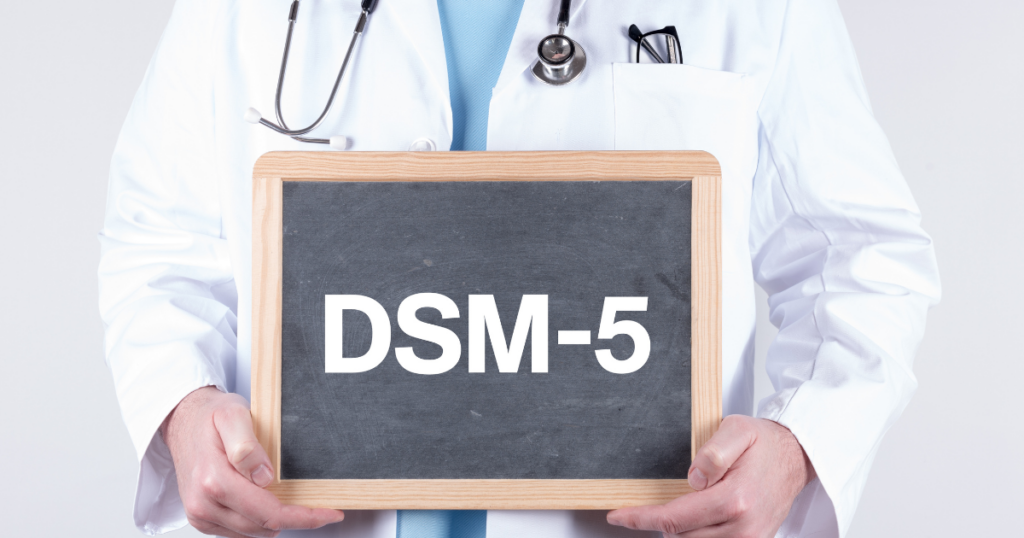
The Diagnostic and Statistical Manual of Mental Disorders (DSM-5) is a guide created and published by the American Psychiatric Association. It was designed to assist doctors and mental health professionals in diagnosing mental health disorders and contains detailed descriptions, symptoms, and criteria for every condition.
The first edition of DSM was released in 1952. The latest fifth edition (DSM-5) was published in 2013. It contains 157 diagnoses, as well as several major updates and revisions to the previous edition, including the revised definition of substance use disorder.
What Is Substance Use Disorder?
Substance use disorder (SUD) is a mental health disorder that may develop when a person becomes addicted to alcohol or drugs. This condition affects a person’s brain and behavior and may lead to numerous harmful consequences to a person’s health, relationships, career, and overall well-being.
According to the DSM-5, substance use disorder is a treatable condition—patients have a good chance of making a full recovery as long as they recognize the problem and reach out for help. A healthcare provider can diagnose SUD based on the criteria listed in the DSM-5.
DSM-5 Criteria for Substance Use Disorder
The DSM-5 contains eleven criteria for substance use disorder. It is not necessary to meet every criterion on the list to be diagnosed with SUD—a medical professional should make the diagnosis. Here are the DSM-5 substance use disorder criteria:
- Dangerous use. The person continues to use the substance while being aware of the danger and experiencing negative consequences of this behavior.
- Physical symptoms. The person develops a tolerance to the substance, requires a larger dosage to feel the effect, and goes through withdrawal when the substance is unavailable.
- Social problems. The person gives up hobbies, fails to meet work and school obligations, and challenges their personal relationships, choosing to consume the substance instead.
Why Is It Important to Diagnose Substance Use Disorder?
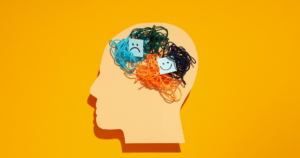
If substance use disorder is not addressed, it may lead to devastating outcomes. Addiction negatively affects a person’s health—for instance, alcohol misuse is linked to liver disease, while drug abuse during pregnancy may harm the unborn child.
Moreover, SUD is associated with various mental health problems—from anxiety and depression to schizophrenia and bipolar disorder. In many cases, people who struggle with substance use disorder resort to drugs and alcohol to cope with their symptoms and end up caught in a vicious cycle.
How to Treat Substance Use Disorder?
Fortunately, substance use disorder can be successfully managed and treated after it is diagnosed. Patients should be given support and resources to recover. While there is no one-size-fits-all treatment for SUD, you can design a customized treatment plan that suits the unique needs of the patient. Here are a few suggestions to consider:
- Therapy. There are different types of therapy available to the person struggling with SUD—for example, cognitive behavioral therapy will help the patient recognize unhealthy thought patterns that lead to addiction.
- Medication. A licensed doctor may prescribe drugs to the patient to assist their recovery; certain medications can ease the withdrawal symptoms and prevent relapse.
- Rehabilitation. Enrolling in an inpatient or outpatient program will allow the patient to benefit from the expertise of healthcare providers and temporarily step away from their usual environment and triggers to focus on recovery.
FAQs
What is the DSM-5 definition of substance use disorder?
DSM-5 defines substance use disorder as a pattern of symptoms that results from the use of a certain substance—the disorder ranges from mild to severe depending on the number of criteria met.
How many criteria are there for substance use disorder in DSM-5?
There are eleven criteria for SUD listed in the DSM-5. You do not need to meet every criterion to be diagnosed with this disorder—only a certified medical professional can diagnose SUD.
What are the 11 DSM-5 criteria for SUD?
The DSM-5 criteria for SUD are the following: hazardous use, social problems, neglected responsibilities, withdrawal symptoms, tolerance, consuming a larger quantity of the substance, unsuccessful attempts to quit, and spending a lot of time obtaining and using the substance.
Why is DSM-5 important for substance use disorder?
DSM-5 is an important tool that helps medical professionals diagnose SUD and provide patients with the treatment they need based on the symptoms they exhibit.
How do you cite DSM-5 substance use disorder?
When you reference DSM-5 in a research paper, include the name of the American Psychiatric Association as the author, the title of the document, the year it was published, the publisher, and the location of the publication.
Reach Out to Clear Mind Treatment for Help With Substance Use Disorder
Whether you are struggling with substance use disorder yourself or you are worried about a friend or a family member showing signs of addiction, getting a handle on the issue and talking to a doctor about your concerns is crucial. Substance use disorder negatively affects a person’s life, but with proper treatment, hope for recovery is within reach.
Our team is ready to assist you—personalized treatment and therapy will help you or your loved one overcome this challenge. Contact Clear Mind Treatment to learn more about substance use disorder and get the help you need.