
In the realm of medications used to treat anxiety and related disorders, Ativan holds a notable place. Whether you have a prescription for Ativan or are simply curious about its properties, it is important to know what type of drug it is. Is Ativan a controlled substance, and how does being classified as a controlled substance impact its use, availability, and legal status?
Our guide will help you understand the definition of a controlled substance, the reasons why Ativan is on the list of controlled substances, the potential side effects of Ativan you should be aware of, and the best ways to safely store and use this medication. We will also explain the benefits of Ativan when it is taken as intended and answer the most common questions on this topic.
What Is Ativan?
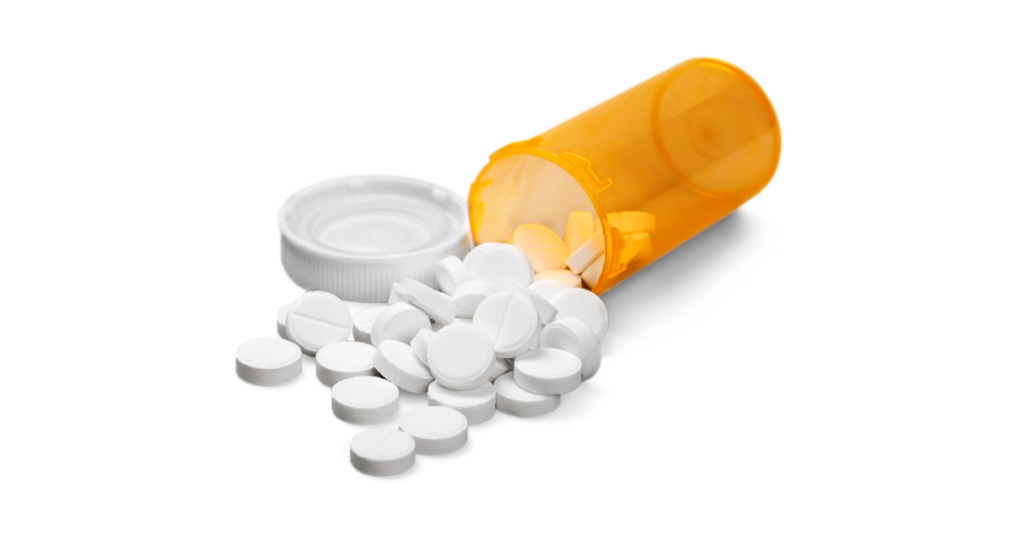
Ativan, also known by its generic name, lorazepam, is a medication doctors prescribe to patients who struggle with anxiety disorders, insomnia, agitation, and seizures. This drug belongs to the benzodiazepine family—it is a depressant that targets the central nervous system of the patient, enhances the activity of gamma-aminobutyric acid (GABA), and produces a calming effect on the brain.
Typically, Ativan is manufactured in tablet form; however, in some cases, it may be injected or inhaled. The duration of the Ativan course will depend on the unique circumstances of the patient—in most cases, this drug is intended for short-term use due to its sedative properties and the risk of addiction associated with benzodiazepines.
What Is a Controlled Substance?
A controlled substance is a drug whose production, possession, and use are regulated by the government. Certain medications contain ingredients that may be harmful to the patient, especially when the drug is taken without a prescription or not in accordance with the doctor’s instructions. For this reason, the authorities control the substance to prevent illegal or harmful use.
Drugs are classified as controlled substances via several schedules from I to V based on their medical use, safety, addictive potential, and abuse rate. Schedule I drugs, for instance, are considered to be highly addictive and dangerous with no medical value, while Schedule V drugs are deemed to be relatively safe and intended for medical use, notwithstanding their minor addictive properties.
Why Ativan Is a Controlled Substance
Ativan is listed as a Schedule IV controlled substance. This means the drug has a recognized medical value, but its use should be regulated to prevent addiction and misuse. Here are a few reasons why Ativan is a controlled substance:
- Addiction Risk. While Ativan is rarely prescribed for long-term use due to its addictive properties, even a short course of treatment may lead to dependence on the drug.
- Mental and Physical Side Effects. As it is explained below in our guide, Ativan consumption may lead to various adverse reactions that negatively affect the well-being of the patient.
- Withdrawal Symptoms. If a patient becomes addicted to Ativan, they may experience withdrawal symptoms—both mild and severe—when they stop taking the drug.

Potential Side Effects of Ativan
Here are the most common side effects of Ativan you should look out for:
- Drowsiness. You may feel tired and sleepy during the day and suffer from poor concentration after taking Ativan.
- Headache. Many patients complain about migraines and muscle pain after they start taking Ativan.
- Nausea. Feeling nauseous, lack of appetite, constipation, and diarrhea may ensue after the consumption of Ativan.
- Respiratory Issues. In rare cases, patients struggle to breathe properly and hear a wheezing sound in their chest after taking Ativan.
- Psychological Symptoms. On occasion, Ativan negatively impacts the mental health of the patient, leading to confusion, memory issues, and depression.
Benefits of Ativan
Despite being a controlled substance, Ativan comes with several advantages for the patient’s health:
- Treatment of Anxiety. If you suffer from an anxiety disorder, Ativan may be able to help you—this benzodiazepine is effective when it comes to relieving stress and calming the patient.
- Prevention of Insomnia. The sedative properties of Ativan make this drug instrumental in the fight against sleeplessness – it will reduce agitation and help you relax before bed.
- Relief From Seizures. Doctors prescribe Ativan to their patients diagnosed with epilepsy—this medication is capable of slowing down the brain function and stopping seizures.
Tips for the Safe Use of Ativan
Follow these recommendations to ensure the safety of Ativan use:
- Get a Prescription. Only a qualified healthcare provider will be able to determine whether Ativan is suitable for your unique circumstances. Avoid taking this drug without a prior visit to the doctor.
- Stick to the Dosage. Your doctor will tell you how many Ativan pills you should take as well as the frequency of the medication intake. Do not exceed the recommended dosage.
- Be Aware of the Side Effects. As you start your Ativan course, pay attention to your mental and physical well-being. If you notice any of the symptoms from our list or experience any unusual feelings, reach out to your doctor.
- Store Ativan Properly. Keep Ativan in a dry place at room temperature. If you have children and pets, make sure to store the medication beyond their reach.
FAQs
Is Ativan a controlled substance?
Yes, Ativan is a Schedule IV controlled substance. While it has medical value, its use is regulated by the authorities due to its addictive potential.
What makes a drug a controlled substance?
A drug is classified as a controlled substance when its use is regulated by law. Typically, controlled substances contain ingredients that make the drug dangerous—these medications are scheduled and monitored to prevent misuse and addiction.
What is Ativan used for?
Ativan is mainly prescribed to patients who suffer from anxiety—this drug has sedative properties that allow it to calm the nervous system. In addition, Ativan is sometimes used to treat insomnia and deal with seizures.
What are the side effects of Ativan?
The use of Ativan may lead to certain adverse reactions—dizziness, headaches, nausea, respiratory issues, and depression are some of the side effects associated with this drug.
Can you benefit from taking Ativan?
There are several advantages to taking Ativan, notwithstanding its controlled status—this drug is effective for anxiety relief, it is useful for insomnia prevention, and it may be used to stop seizures.
Make the Most of Ativan With Professional Guidance
We hope that our guide was able to answer your question. Is Ativan a controlled substance? Ativan is classified as a Schedule IV controlled substance due to its addictive potential. Nonetheless, this drug comes with several benefits for the patient’s well-being—as long as you have a prescription and follow the doctor’s instructions, you will be able to take advantage of Ativan
Reach out to Clear Mind Treatment to get more information about Ativan and receive advice customized for your personal circumstances. Our qualified team is here to help you—give us a call to schedule your free consultation.