Introduction to Toxic Relationships and Codependency
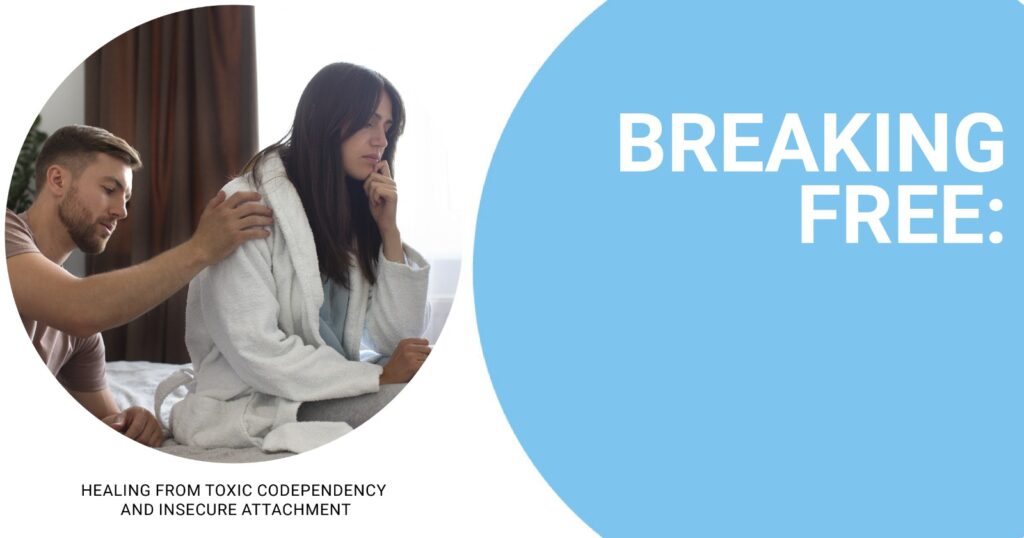
Unhealthy attachment lifestyles ruin self-esteem and emotional stability. When relationships are characterized by neediness, fear, or control, love becomes something negative. The knowledge of the connection between toxic relationships and codependency allows individuals to understand that there is a time in which bonds have turned unhealthy.
Codependency develops when one partner’s identity revolves entirely around another person. This creates an imbalance. Personal boundaries dissolve. Individual needs go ignored. The dependent partner loses themselves while trying to please, fix, or control their significant other.
Such patterns are hardly formed overnight. They develop over time, and hence they are hard to detect within the relationship. Awareness is the initial step towards getting out of the toxic attachment.

Recognizing Signs of Emotional Dependence
Emotional dependence is destructive but in subtle forms. Such behaviors are exacerbated with the passage of time. Those who undergo such a trend believe that they cannot make their own decisions. They develop a high level of anxiety when there are short-term separations. They do not think that they can live without the relationship.
Key warning signs of emotional dependence include:
- Constant need for reassurance and validation
- Difficulty identifying personal wants or opinions
- Feeling responsible for your partner’s emotions
- Neglecting friendships, hobbies, and interests
- Experiencing panic at the thought of being alone
- Making decisions based solely on your partner’s preferences
- Checking in excessively when apart
These patterns, as mentioned by the American Psychological Association (APA), are usually the result of childhood experiences. The premature loss of attachment determines how individuals associate with others in life. The upside: such tendencies are reversible, though it takes education and hard work.
Understanding Unhealthy Attachment Patterns
When this need to be connected is distorted, then unhealthy attachment is formed. Normal bonding is distorted into destruction with fear, control, and emotional wounds. These trends can be identified and classified.
Table 1: Attachment Styles and Their Characteristics
| Attachment Style | Core Belief | Relationship Behavior |
| Anxious | “I’m not worthy of love.” | Clingy, seeks reassurance, fears abandonment |
| Avoidant | “I can only rely on myself.” | Emotionally distant, withdraws from intimacy |
| Disorganized | “Relationships are unpredictable.” | Hot and cold, difficulty trusting |
| Secure | “I am worthy of love.” | Comfortable with intimacy, maintains boundaries |
Individuals having toxic attachment tend to alternate between anxious and cautious patterns. This develops confusing push-pull relations. Both partners are frustrated and dissatisfied. Knowing what your attachment style is, you will know why some patterns just keep reoccurring.
Exploring Attachment Anxiety and Insecure Attachment
Attachment anxiety creates constant worry about relationship security. Those experiencing insecure attachment scan for rejection signs. They interpret neutral behaviors as threats. They require excessive reassurance.
This cycle becomes self-fulfilling. Anxiety leads to clingy behavior. Clingy behavior creates distance. Distance increases anxiety. The pattern exhausts both partners. Genuine intimacy cannot develop under these conditions.
Research from the National Institute of Mental Health (NIMH) confirms that attachment anxiety shares brain pathways with generalized anxiety disorders. This makes professional treatment particularly effective.
Insecure attachment doesn’t mean someone is broken. It indicates that early experiences created protective patterns. These patterns once served a purpose. They no longer help in adult relationships. With work, attachment patterns can shift toward security.
Identifying Patterns of Enmeshment and Possessive Behavior
Enmeshment occurs when boundaries between partners disappear completely. Individual identities merge into one. Closeness is healthy. Enmeshment is not. Partners in enmeshed relationships cannot function independently. They feel each other’s emotions as their own. They lose separate selfhood entirely.

Possessive behavior represents the controlling side of toxic attachment. It stems from deep insecurity. Jealousy emerges. Monitoring begins. Isolation from friends and family follows. The possessive partner attempts to control every choice.
This behavior sometimes masquerades as love. It is not love. It reflects the possessive partner’s fears and wounds. True love does not require control.
Table 2: Healthy Connection vs. Toxic Attachment
| Healthy Connection | Toxic Attachment |
| Respects individual space | Demands constant togetherness |
| Celebrates outside relationships | Views others as threats |
| Communicates needs directly | Uses guilt or manipulation |
| Maintains separate identity | Loses self in relationship |
| Trusts without verification | Monitors phone and location |
| Handles disagreements calmly | Escalates or avoids conflicts |
| Supports partner’s growth | Feels threatened by success |
Strategies for Healing and Building Healthy Relationships
Breaking free from toxic attachment requires self-awareness and action. The journey involves unlearning old patterns. New relational skills must develop in their place.
Effective strategies for overcoming unhealthy attachment include:
- Developing a relationship with yourself through journaling and meditation
- Identifying and challenging negative beliefs about worthiness
- Building a support network outside your romantic relationship
- Learning to self-soothe during anxiety instead of seeking reassurance
- Establishing clear boundaries even when uncomfortable
- Working with a therapist specializing in attachment issues
- Practicing patience with yourself throughout the process
Healing doesn’t happen overnight. Progress feels nonlinear. Setbacks provide valuable information about triggers. Growth areas become clearer over time.
Building healthy relationships after toxic attachment requires intentional choices. Partner selection matters. Choose people who demonstrate secure attachment. Look for consistency. Seek emotional availability. Respect for boundaries is essential.
Communication patterns must change too. Express needs directly. Listen without defensiveness. Accept influence from your partner. These skills take practice. They become easier with time.
Clarity Ahead: Your Path to Healthier Connections
Recognizing toxic attachment patterns takes courage. Taking action requires even more. You may have identified codependency in your current relationship. Perhaps you’ve noticed emotional dependence affecting decisions. Maybe insecure attachment has shaped your romantic choices for years.
Understanding these patterns empowers transformation. Knowledge alone doesn’t create change. Action does. Professional support accelerates the process significantly.
Healing from toxic relationships doesn’t mean you’ll never struggle. It means developing tools. You’ll recognize unhealthy patterns earlier. You’ll communicate needs more effectively. You’ll choose relationships that support your well-being.
Clear Mind Treatment is a facility that assists people in getting over toxic attachment patterns. Their senior clinicians follow evidence-based treatments. Treatment addresses the underlying causes of codependency, attachment anxiety, and relationship problems. Get in touch with Clear Mind Treatment to begin living a healthier life.
FAQs
1. What are the common signs of a toxic relationship fueled by emotional dependence and codependency?
There are also such common signs as being unable to make independent decisions and being overly anxious when you are not with your partner. You might find that your mood is completely dependent on the behavior of your partner. Not focusing on your own self but consistently focusing on their needs and being responsible for their feelings are also signs of emotional dependence.
2. How does attachment anxiety contribute to insecure attachment in relationships?
Attachment anxiety produces hypervigilance towards rejection and abandonment. This results in clingy relationships. The actions of fear usually drive partners away, making beliefs of being unlovable true and the thought of insecure patterns real.
3. What is the difference between unhealthy attachment and enmeshment in a relationship?
Unhealthy attachment refers broadly to patterns of excessive dependence, control, or fear. Enmeshment specifically describes complete loss of individual boundaries where identities merge. In enmeshment, partners cannot distinguish their own thoughts and feelings from their partner’s.
4. How can possessive behavior in a partner be a sign of an insecure attachment?
The logic behind possessiveness is deep fears of non-attachment that stem from insecure attachment. Jealous partners who spy on activities are also working on their own issues. Such controlling behavior covers the vulnerability and inability to feel secure in relations.
5. What strategies can help in breaking free from unhealthy attachment patterns and building healthier relationships?
One of the effective measures is treatment with the assistance of an attachment specialist and the creation of non-romantic support networks. It will be helpful to make the change long-lasting by self-soothing, establishing strong boundaries, and challenging negative beliefs. When practices become habitual, these eventually remodel the attachment styles towards security.